No. 01Sustainability
From Forest to Façade The Environmental Impact of Novawood Products
In today’s construction industry, sustainability is no longer a choice, it’s a necessity. The climate crisis, limited natural resources, and rising environmental awareness make eco-friendly materials
July 3, 2026 · 4 min read
In today’s construction industry, sustainability is no longer a choice, it’s a necessity. The climate crisis, limited natural resources, and rising environmental awareness make eco-friendly materials more vital than ever in architecture. At this point, Novawood stands out with its sustainable forest management practices and environmentally conscious production approach, bringing nature-inspired design together with environmentally responsible structures.
The Importance of Sustainable Timber Use
Timber is not only a natural material but also a renewable resource with carbon storage capacity, a powerful tool for reducing environmental impact in construction. When managed responsibly, it contributes both aesthetically and ecologically.
Reducing Environmental Impact in Construction
The construction industry accounts for a significant portion of global carbon emissions. Using natural materials is critical to lowering carbon footprints and building more sustainable structures.
Responsible Management of Natural Resources
Sustainable forestry ensures that resources can be preserved and passed on to future generations without depletion. This is the foundation of eco-friendly production.
Timber’s Carbon Storage Capacity
As trees grow, they absorb carbon from the atmosphere and store it. When integrated into buildings, this carbon remains locked away for many years.
Novawood’s Forest Protection Approach
Novawood takes environmental sustainability seriously not just during production but starting from the sourcing of raw materials.
Certified and Renewable Sources
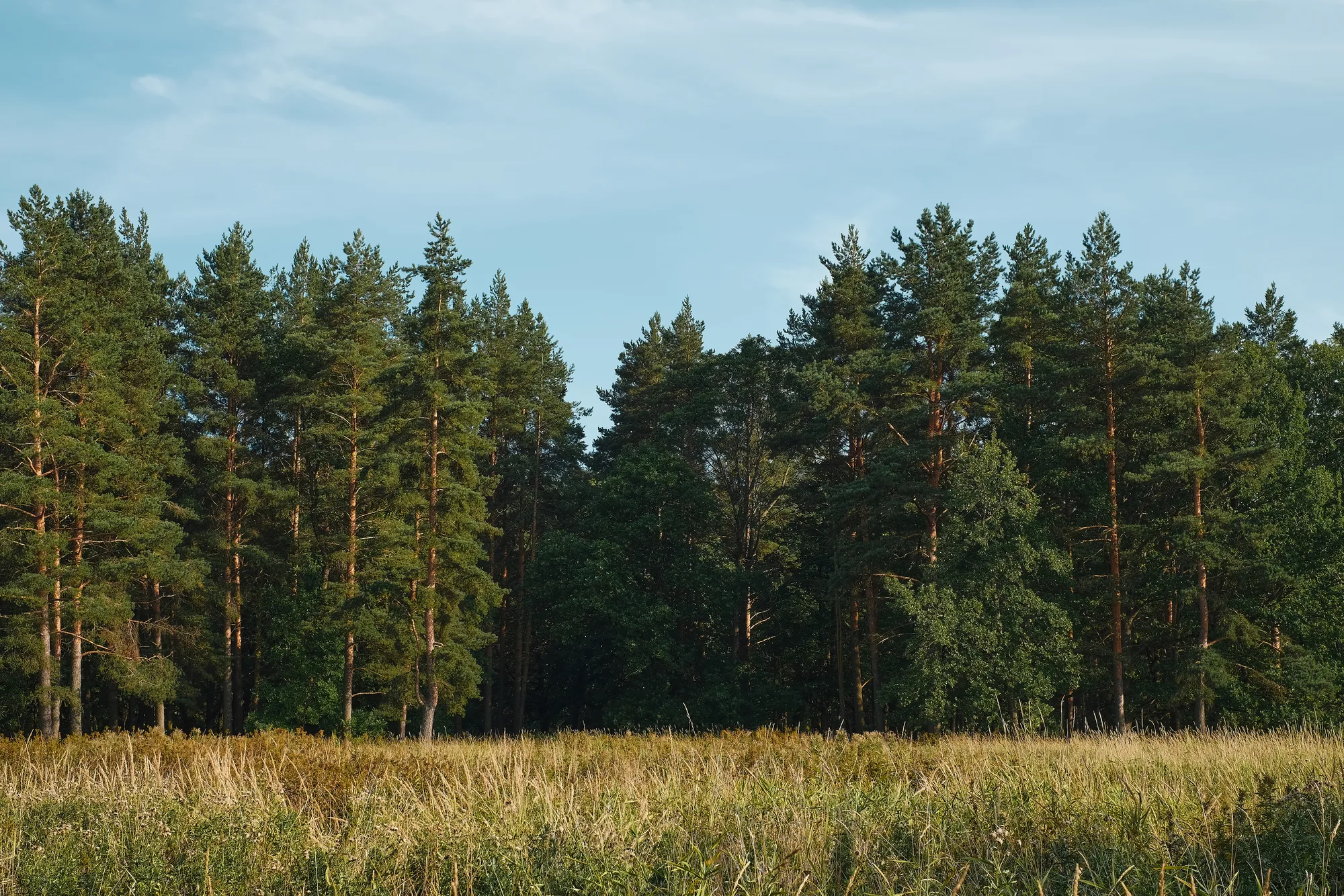
Novawood sources timber exclusively from certified and renewable forests, minimizing environmental impact.
 FSC® and PEFC® Sustainability Standards
These internationally recognized certifications guarantee that forests are managed in a balanced way — environmentally, economically, and socially. Novawood operates with a supply chain aligned with these standards.
Respecting Forest Ecosystems
From tree harvesting to processing, every stage is planned to protect ecosystems. This supports biodiversity and minimizes harm to nature.
Environmental Sensitivity in Thermowood Production
Thermowood is produced through a completely chemical-free process using only heat and steam. This eco-friendly method enhances the material’s durability without harming the environment.
What Is Chemical-Free Heat Treatment?
Thermowood is treated at temperatures between 180–212 °C, using only water vapor. This increases durability without the need for harmful chemicals.
Energy-Efficient Production Methods
Modern technologies used in Novawood production facilities minimize energy consumption and reduce environmental impact. Waste heat recovery is an important part of this process.
Minimizing Waste Through Circular Economy
By-products from wood processing are reused or converted into energy, supporting a circular economy model.
Novawood Products and a Low Carbon Footprint
Compared to many conventional building materials, Thermowood has a significantly lower carbon footprint throughout its production, transportation, and use.
Resource Savings Through Durability
Thermowood’s long lifespan reduces the need for frequent maintenance or replacement, conserving resources and minimizing environmental impact.
Energy Efficiency in Transport and Installation
Because timber is lightweight, it requires less energy during transportation and installation, further reducing a project’s total carbon footprint.
Fully Recyclable Material Structure
Novawood products are 100% natural and recyclable. At the end of their service life, they can be reused or returned to nature without causing harm.
Thermowood Façades and Their Ecological Contribution
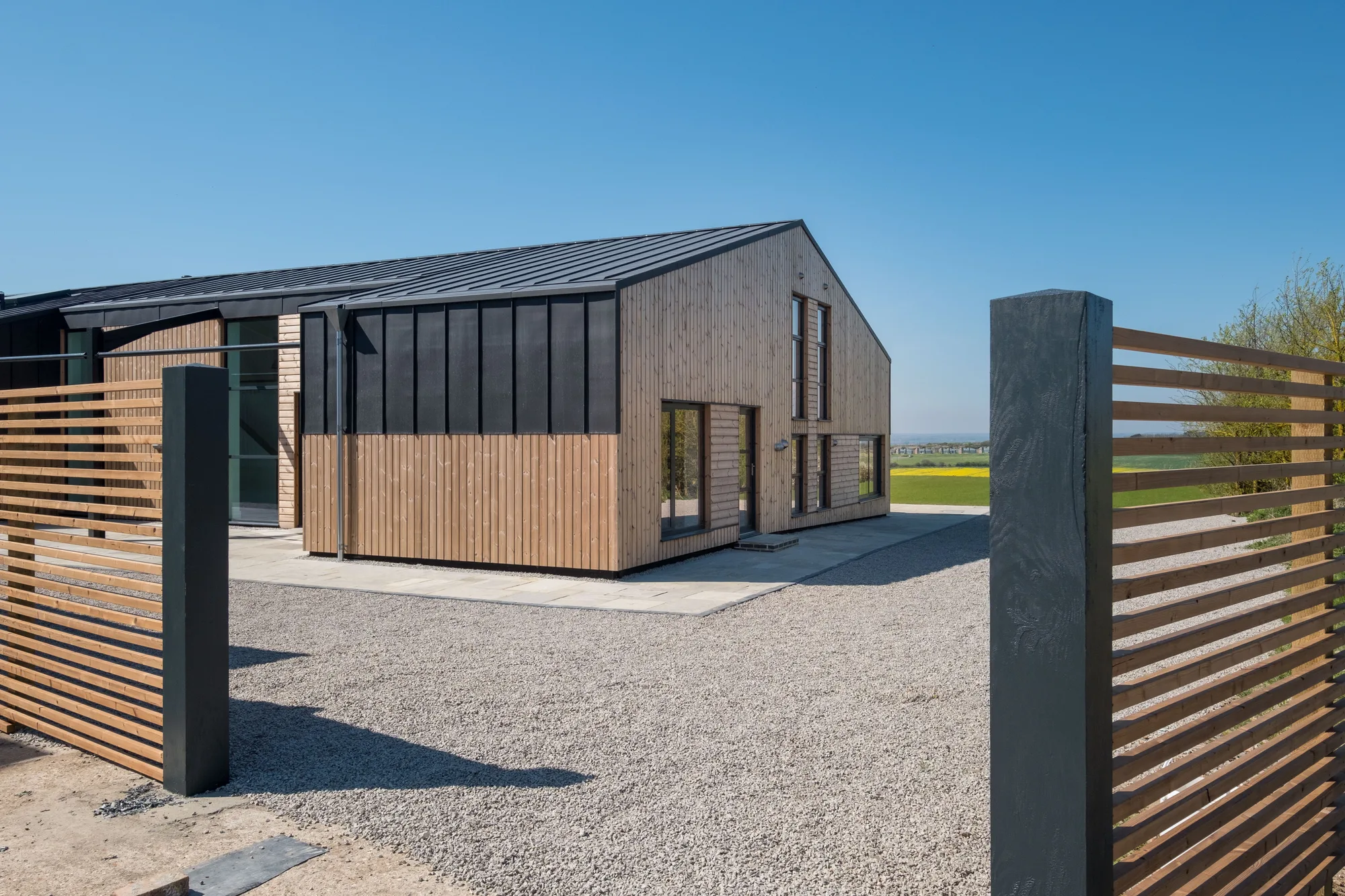
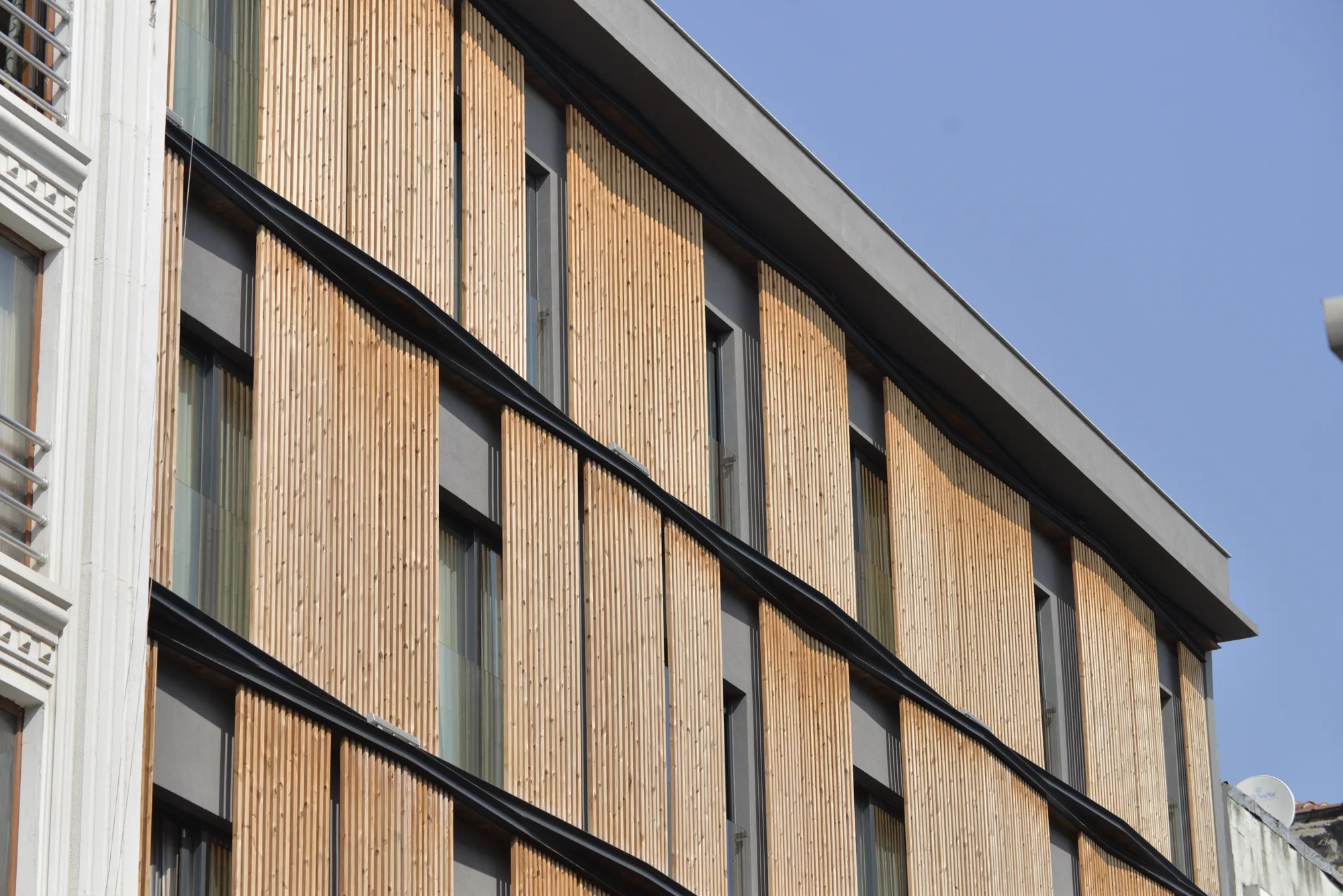
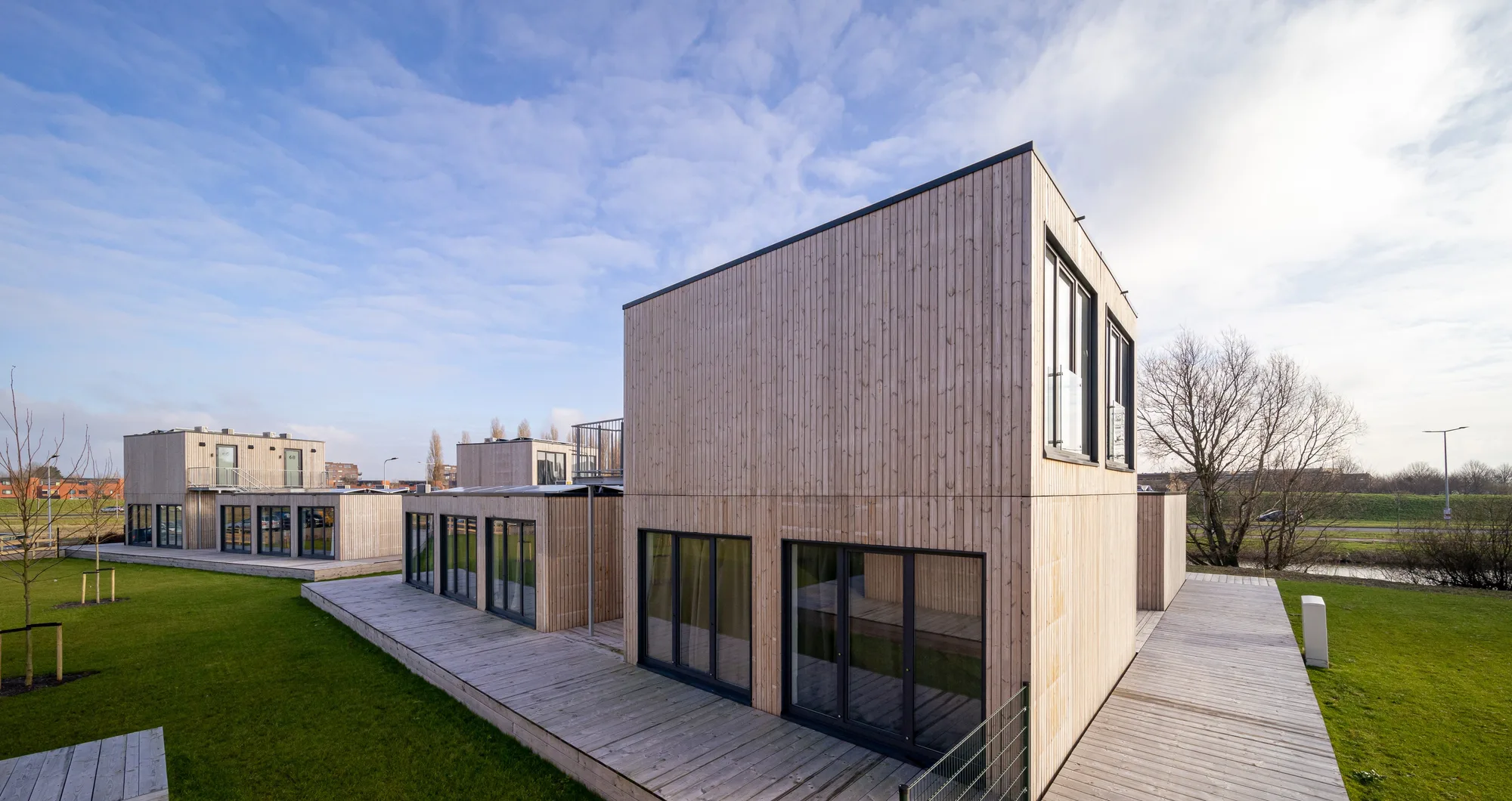
Thermowood cladding is not only an aesthetic choice it also provides strong energy efficiency and environmental performance benefits.
Reducing Energy Consumption Through Natural Insulation
Thermowood's natural insulating properties help reduce heat loss, lowering heating and cooling needs and saving energy.
Creating Healthy Spaces Through Biophilic Design
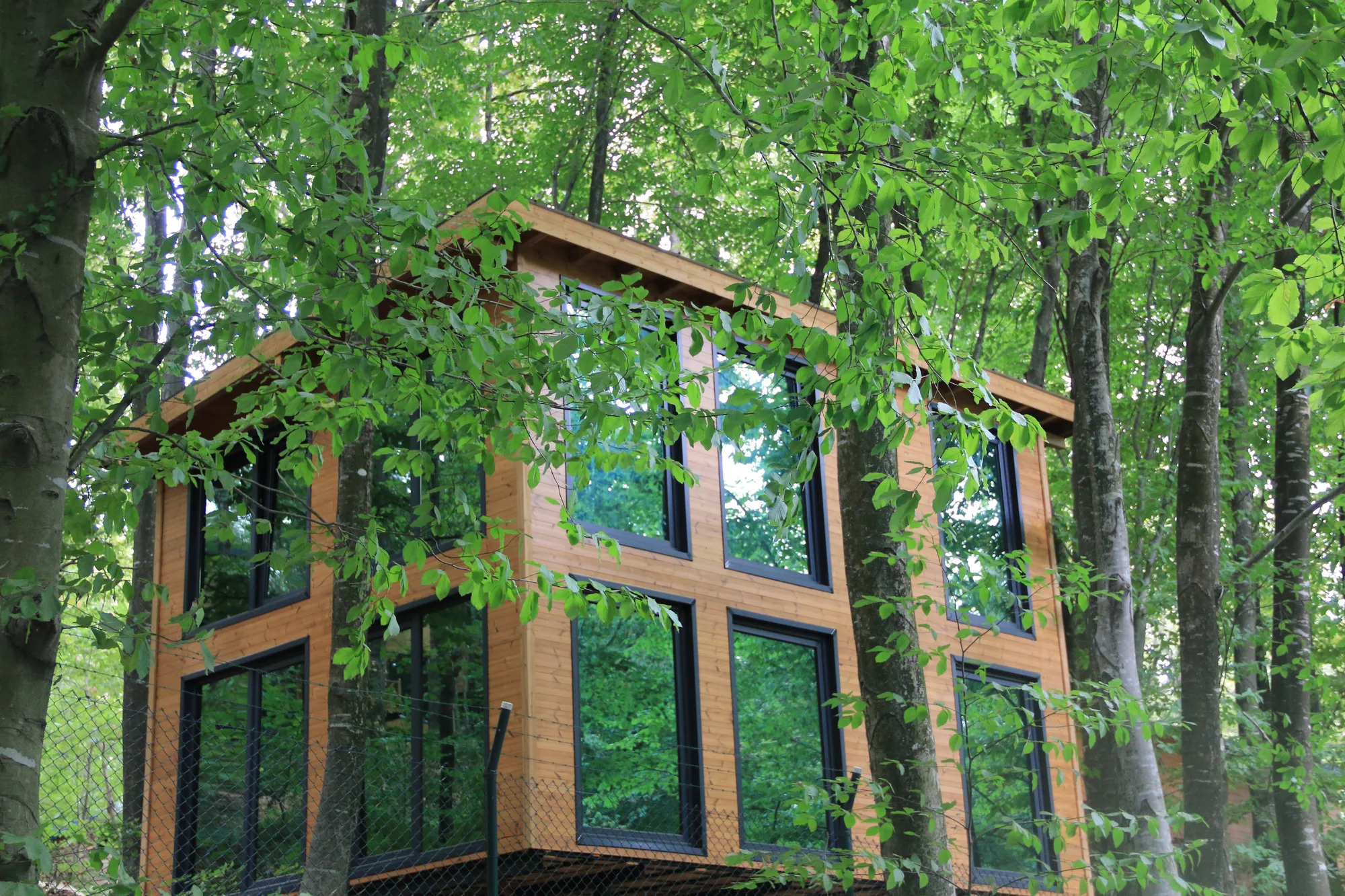
The natural texture of wood, when combined with biophilic design principles, creates healthy, calming, and balanced interior environments.
Strengthening Harmony Between Buildings and Nature
Using natural materials helps structures integrate with their surroundings, promoting more balanced and sustainable urban architecture.
Thermowood’s Role in Green Building Certifications
Green building certification systems are essential tools for evaluating the environmental performance of structures according to international standards. Thermowood is a strong contributor in these projects.
Material Advantages in Eco-Design Projects
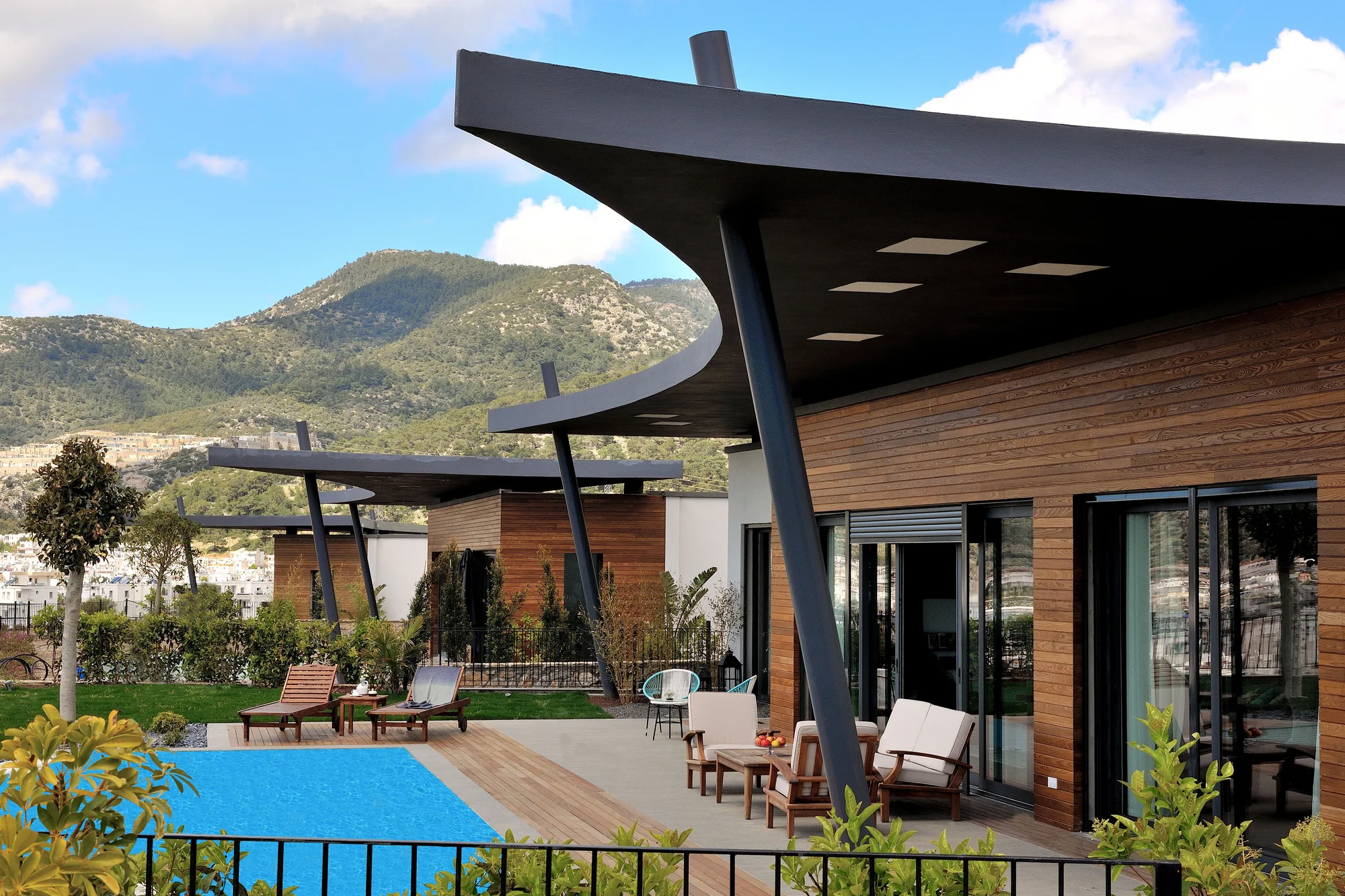
Thanks to its low carbon footprint, recyclability, and energy efficiency, Thermowood provides valuable credits for green building certifications like LEED and BREEAM.
 ### Carbon Reduction Solutions
Thermowood’s low-emission production and use support carbon reduction strategies, strengthening certification scores.
Building Materials for Future Generations
For a sustainable future, the use of eco-friendly materials in construction is inevitable and thermowood stands at the center of this transformation.
Sustainable Cities and Buildings
Thermowood use aligns directly with the goals of carbon-neutral cities and energy-efficient buildings.
Novawood’s Eco-Friendly Vision
Novawood leads this green transformation with its commitment to sustainable sourcing, environmentally responsible production technologies, and long-lasting products. Its vision is to protect nature while empowering architectural design.
Newsletter
Be the first to know.
New products, completed projects and technical insights — a few emails a month, no spam.