No. 01Product Guides
Details About Pine Tree
Pine trees are among the most common species in nature, known for their high durability, pleasant scent, and versatile use. In this article, we answer all your questions about pine trees.
July 2, 2026 · 4 min read
Pine trees are among the most common species in nature, known for their high durability, pleasant scent, and versatile use. In this article, we answer all your questions about pine trees.
What is a pine tree and which family does it belong to?
The pine tree is an evergreen coniferous species belonging to the genus Pinus. In botany, it is part of the Pinaceae family, also known as the pine family. It is renowned for remaining green year-round and withstanding harsh climate conditions.
What do the leaves and trunk of a pine tree look like?
Pine trees have needle-shaped, thick, and tough leaves. These leaves do not fall off, allowing the tree to remain green in all seasons. The trunk is upright and cylindrical, with a brownish, scaly bark that enhances resistance to external factors.
Does the pine tree trunk contain resin?
Yes, the bark and wood parts of the pine tree naturally contain resin. In nature, this resin protects the tree from fungi and harmful organisms. It is also widely used in industrial applications.
How long does it take for a pine tree to grow?
On average, it takes 25–30 years for a pine tree to mature and become suitable for use as timber. However, this duration can vary depending on the species and climate conditions.
How fast do pine trees grow?
- Slow-growing species: A few centimeters per year (e.g., long-needle pines)
- Moderate growth species: 30–90 cm per year (e.g., Turkish Red Pine)
- Fast-growing species: Up to 1 meter per year (e.g., Scots Pine)
Why is pine timber so popular?
Pine timber is popular because it is abundant and widely available, making it an affordable choice. Its softness makes it easy to work with for carpentry and construction, while its versatility allows it to be used in everything from structural framing to furniture and decorative finishes. It offers a good balance of strength and lightweight properties. Because pine grows quickly, it is also considered a sustainable and renewable resource, which adds to its appeal in many industries.
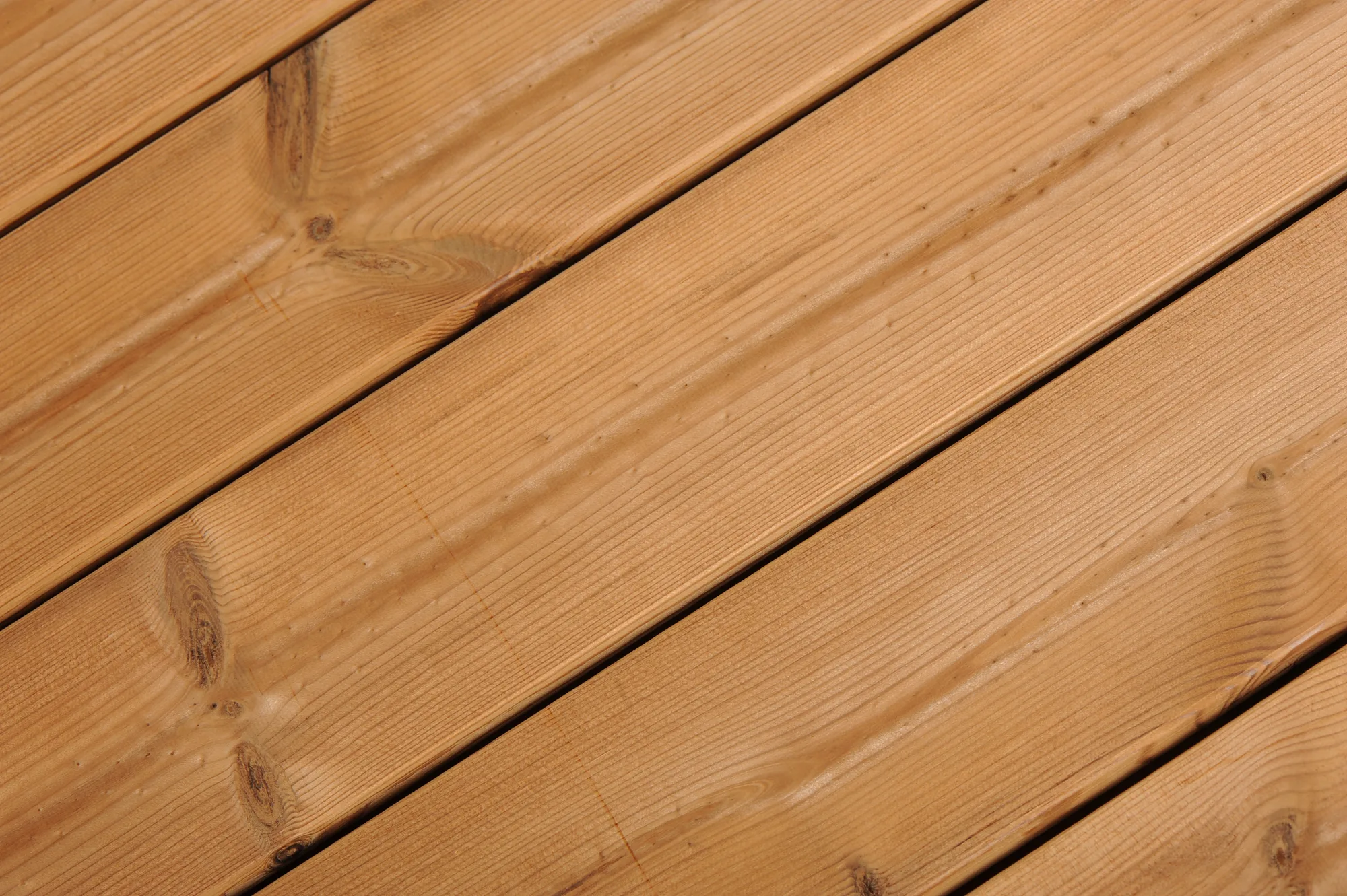
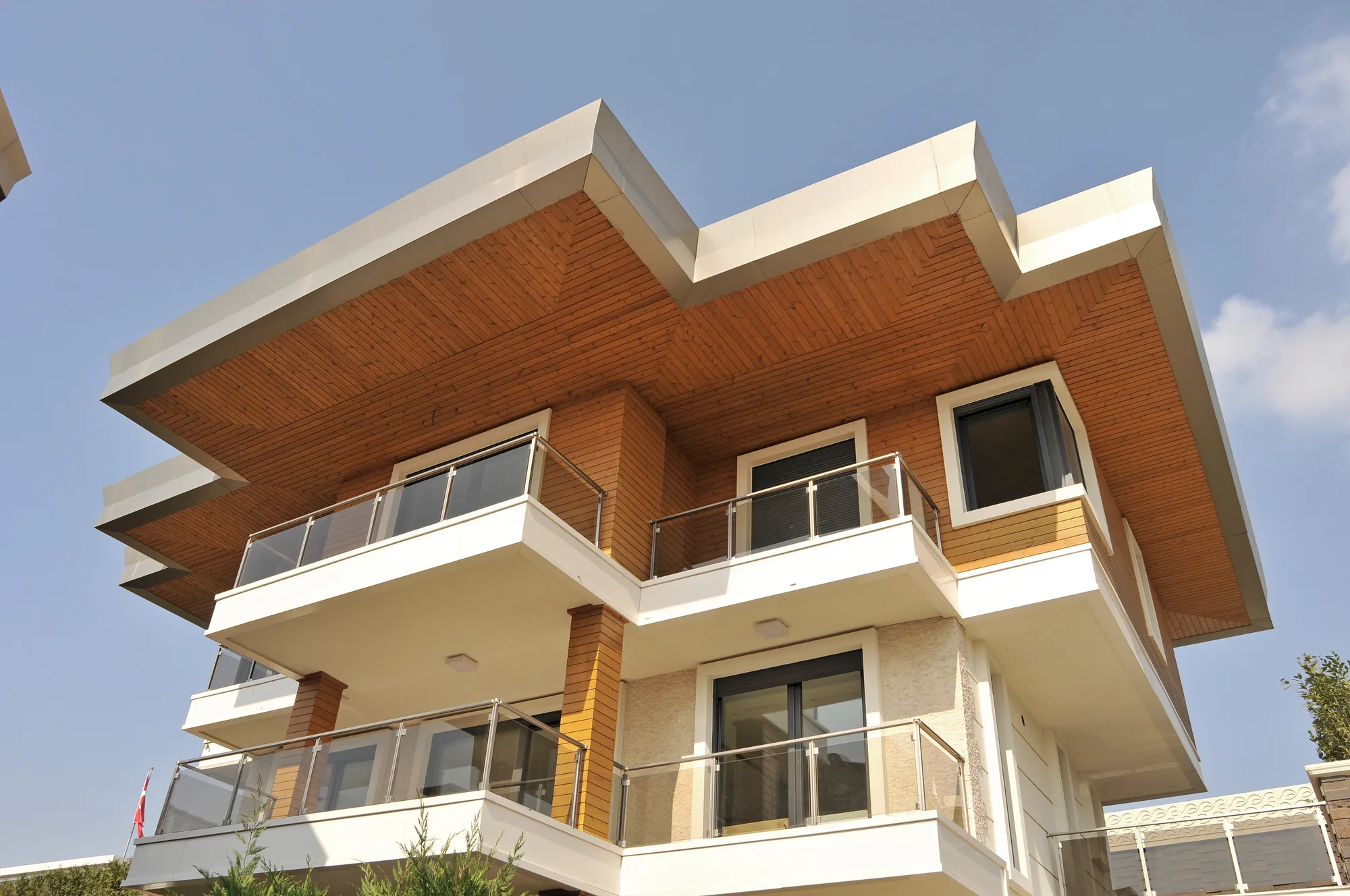 ### What is the color and texture of pine wood?
- Sapwood: Pale yellowish-white
- Heartwood: Reddish-brown that darkens over time\
With its slightly reddish, knotty appearance, pine wood is ideal for decorative use.
What are the ecological benefits of pine trees?
Pine trees provide not only aesthetic value but also significant environmental benefits.
Do pine trees purify the air?
Yes. On average, a pine tree can convert the amount of carbon dioxide produced by 40 people in one hour into oxygen. Pine forests thus play a vital role in maintaining ecological balance.
Why are pine trees preferred in landscaping?
- Stay green throughout the year
- Resistant to dry air, wind, and erosion
- Provide an aesthetic look in parks, gardens, and urban design
Uses of Pine Wood
Pine is a highly versatile tree and is used in both raw material applications and decorative purposes.
Construction Industry
- Roof systems
- Suspended ceilings
- Indoor flooring (parquet)
- Door and window frames
- Wooden house construction
Furniture & Interior Design
- Used in tables, cabinets, bookshelves
- Valued for its natural look and mild scent
- Contributes to healthy indoor air quality
Other Uses
- Paper and artificial silk production
- Pine resin used in ink, paint, varnish, and musical instruments
Firewood
Pine is a versatile material used for both structural and decorative purposes.
Is pine timber a healthy material?
Pine timber is a healthy building material due to its natural composition and the fact that it can be used without chemical treatment. Additionally:
Its refreshing scent creates a pleasant atmosphere
Absorbs moisture and unpleasant odors
Environmentally friendly if sourced from sustainable forests.
\
What products are derived from pine trees?
- Resin (pine gum): Used in medical, chemical, and artistic applications
- Timber: For construction, furniture, flooring
- Pulp: For paper
- Plywood and decking materials
- Furniture components and accessories
Can pine be used for exterior applications?
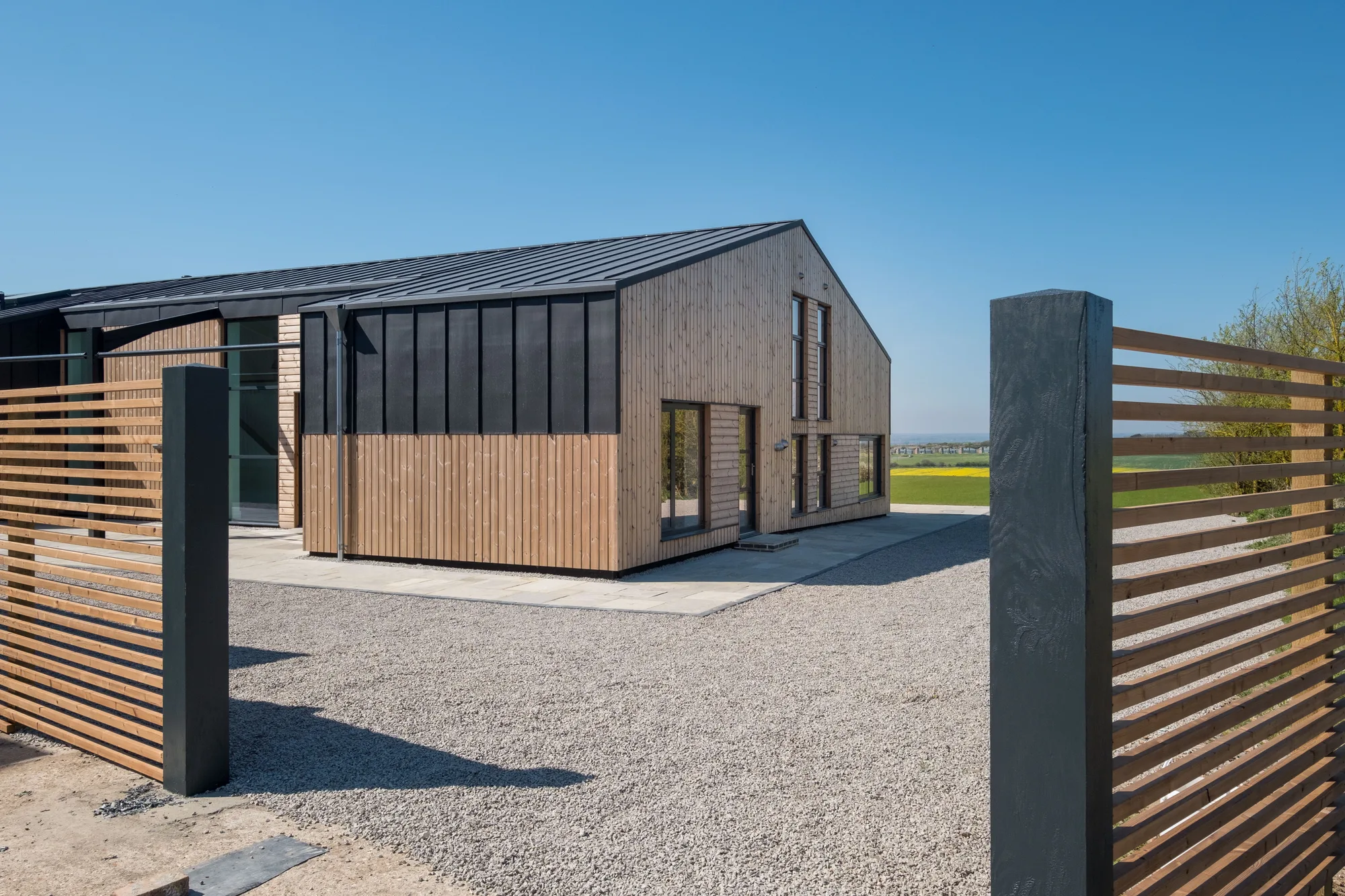
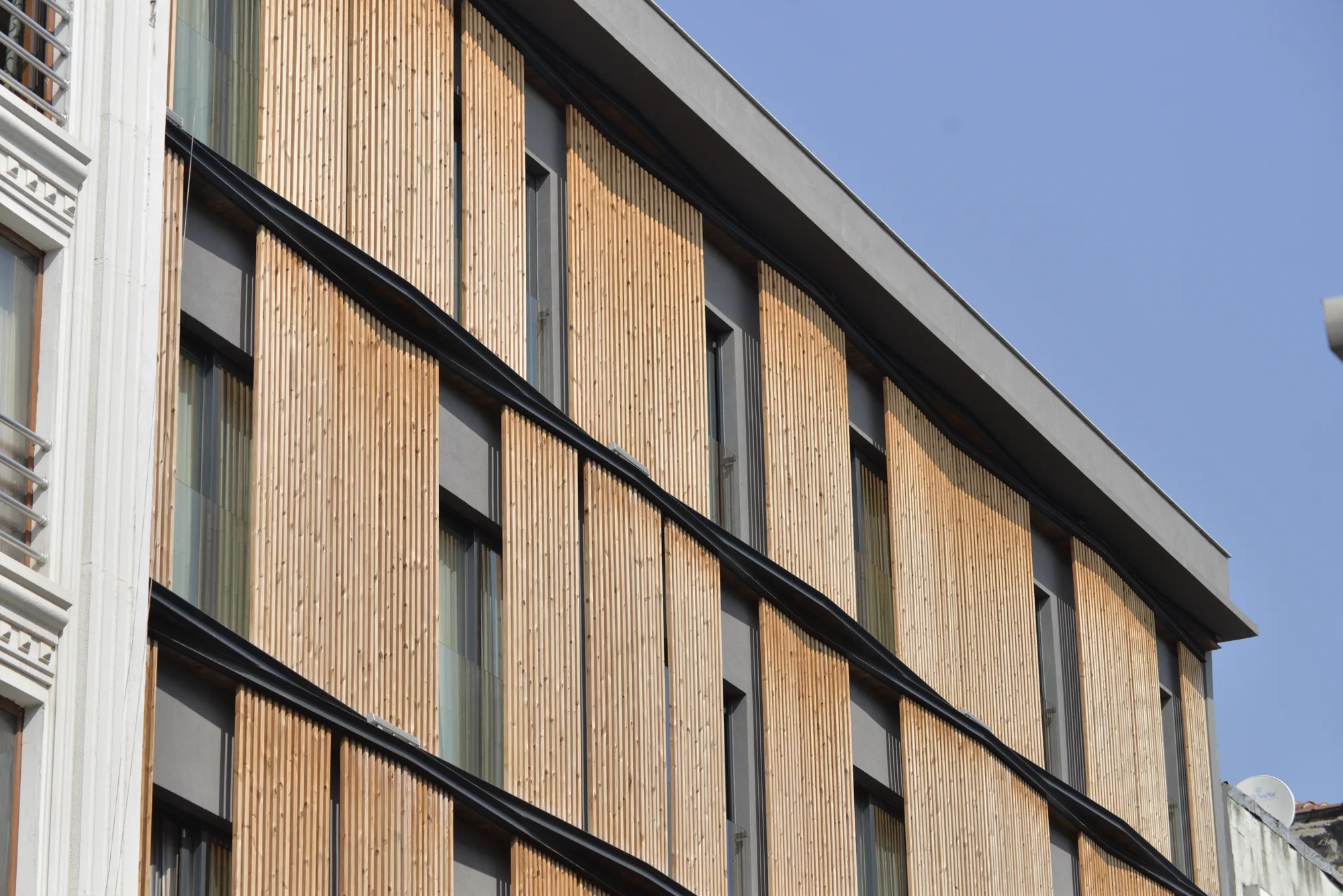
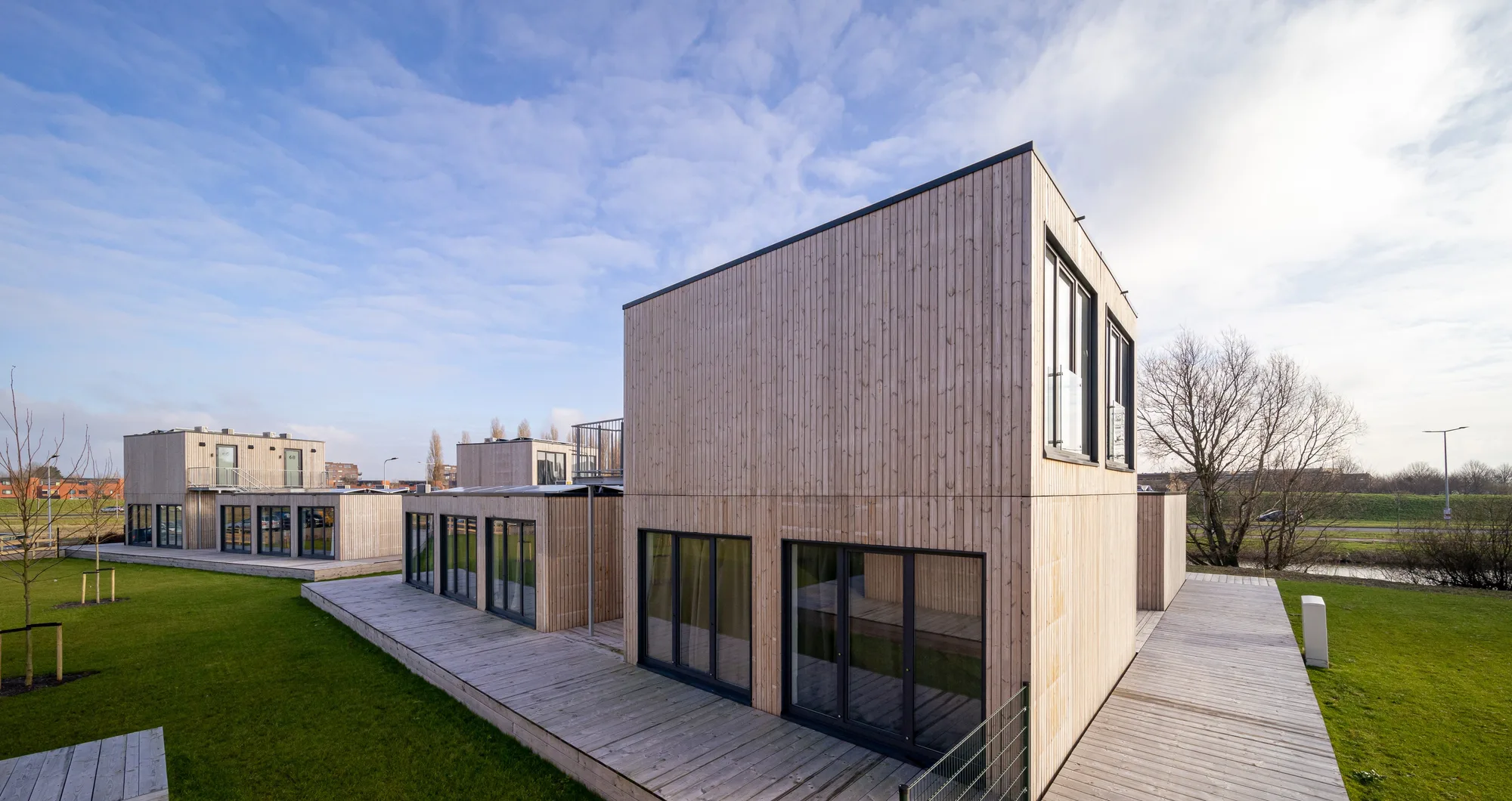
Yes, pine can be used outdoors. However, for long-lasting use in outdoor environments, heat- and steam-treated pine is recommended.

Nova-Pine, processed using ThermoWood technology, is a specialized pine product developed by Novawood. It is:
- Thermally modified for enhanced durability
- Increased resistance to moisture, decay, and insect attacks
- No chemicals used in the modification process
- Improved dimensional stability less warping, shrinking, or swelling
- Better thermal insulation properties
- Rich, natural color that deepens over time
- Eco-friendly and sustainable
- Ideal for decking, cladding, sunshades, and other outdoor applications
For more information: https://novawood.com/timber/nova-pine
Conclusion
With its natural charm, durability, and environmental benefits, pine is both a functional and aesthetic choice. Especially in timber form, it is ideal for indoor and outdoor applications. Modern processed pine products like Nova-Pine offer sustainability and long-lasting quality in contemporary projects.
Newsletter
Be the first to know.
New products, completed projects and technical insights — a few emails a month, no spam.