.png)
No. 01Product Guides
Choosing the Right Wood Cladding | Types of Wood and Their Properties
Wood cladding is becoming increasingly popular in modern architecture due to its aesthetic appeal and environmental benefits. However, selecting the right type of wood can extend the lifespan of your
August 19, 2024 · 8 min read
Wood cladding is becoming increasingly popular in modern architecture due to its aesthetic appeal and environmental benefits. However, selecting the right type of wood can extend the lifespan of your project and reduce maintenance requirements. In this article, we will examine the factors to consider when choosing the right wood cladding and the characteristics of various types of wood.
What is Wood Cladding and Why Should It Be Preferred?
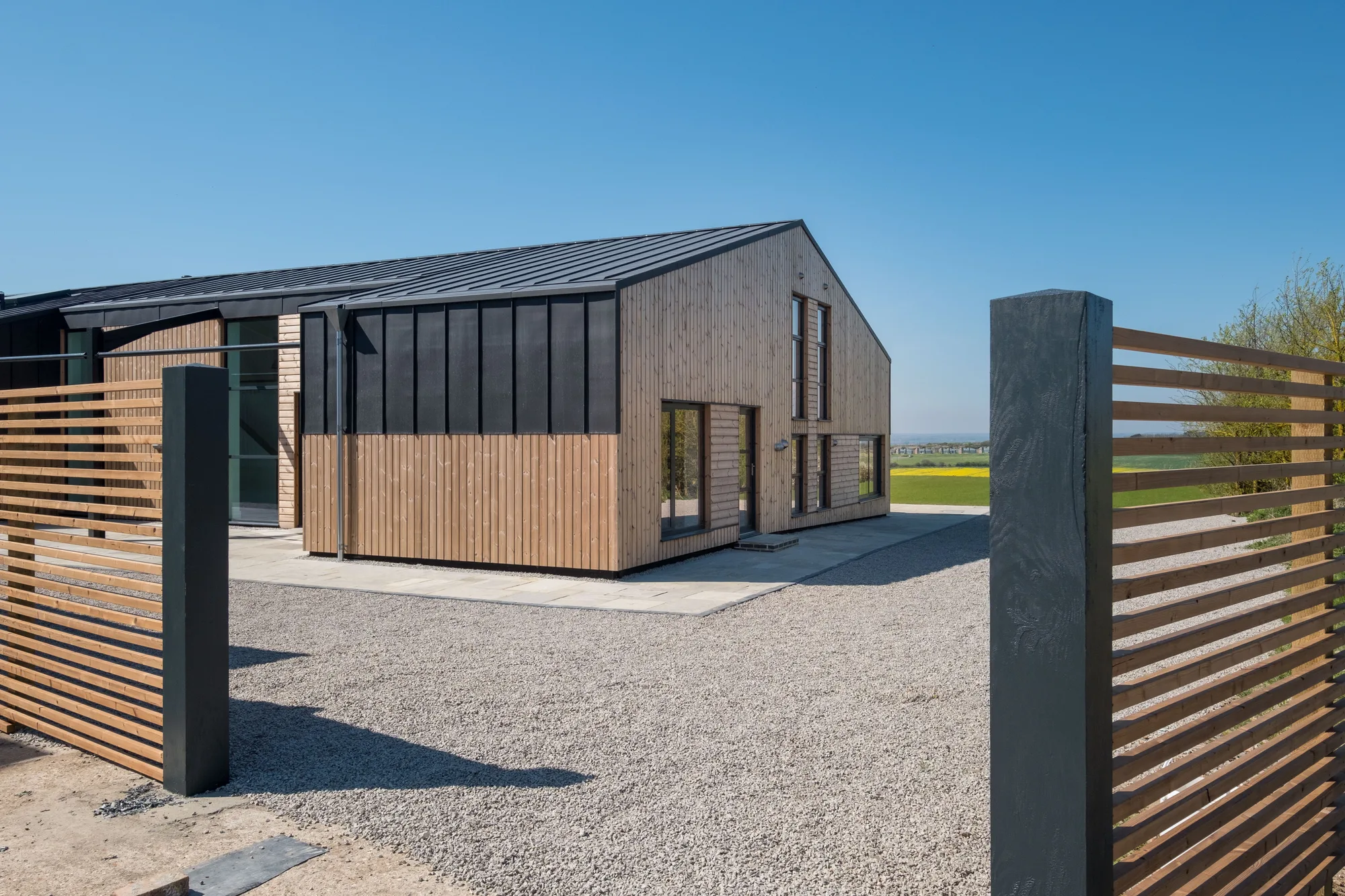
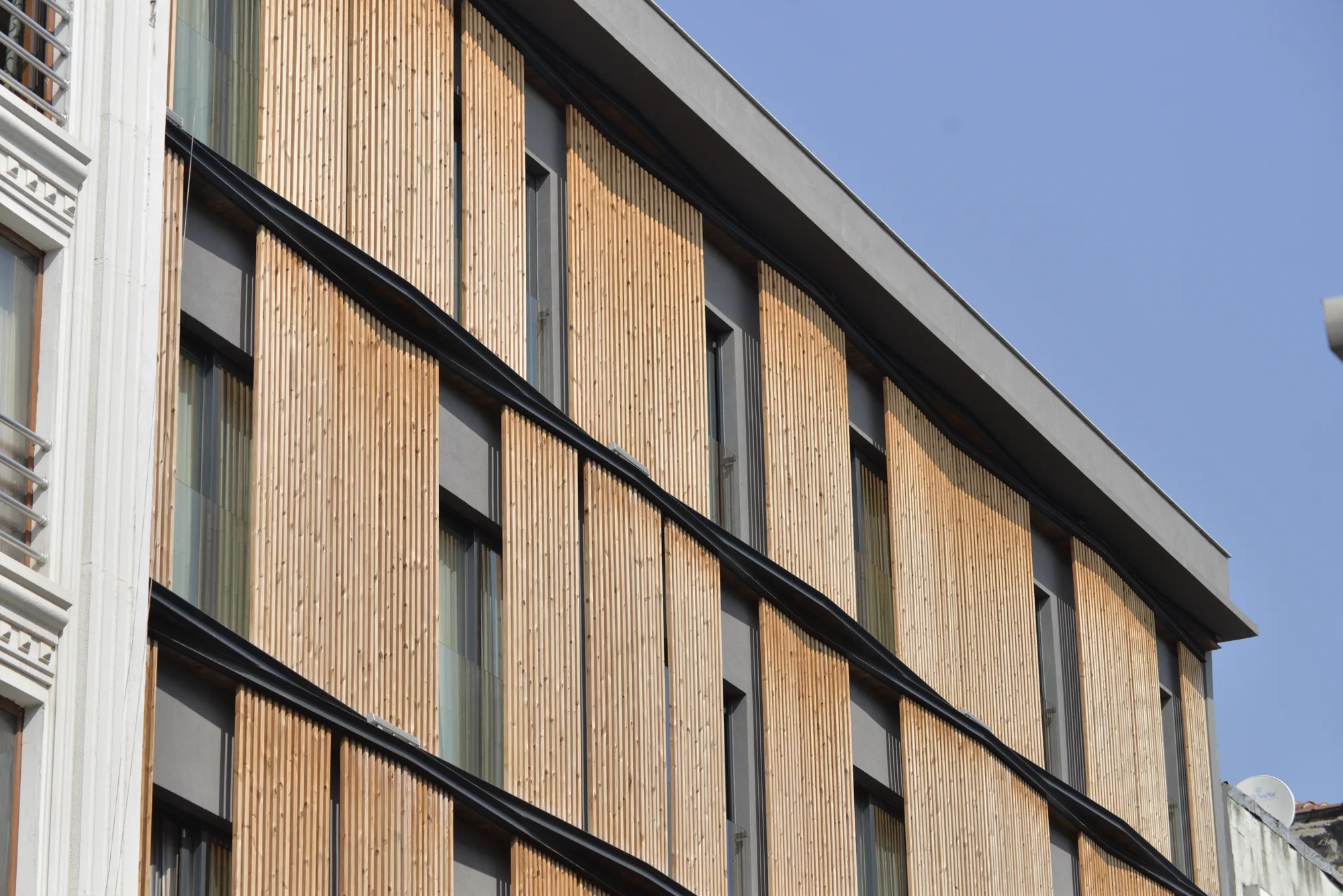
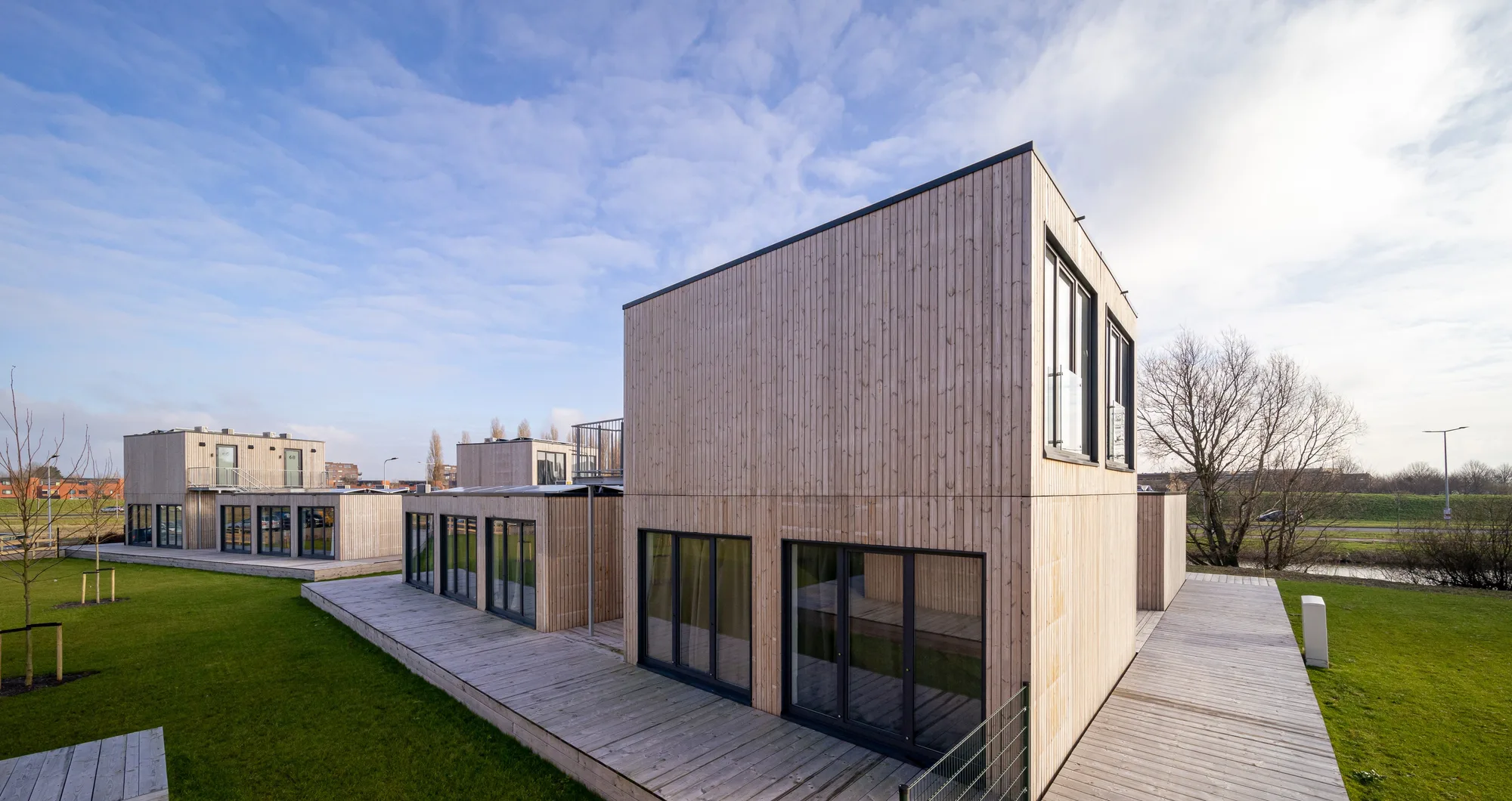
Wood cladding is a natural material applied to the exterior surfaces of buildings. It offers many advantages, such as providing a warm and inviting feel, being environmentally friendly, and offering natural insulation. Wood cladding also holds an important place in sustainability, as wood is a renewable resource that, when managed correctly, has minimal impact on the environment. Additionally, wood cladding adds aesthetic value to buildings and can be adapted to different architectural styles.
The Importance of Wood Types in Cladding
The choice of wood type directly affects the durability and aesthetics of the cladding. Different wood types adapt to different climatic conditions and aesthetic preferences. Choosing the right type of wood ensures that the cladding will be long-lasting and require minimal maintenance.
Why ThermoWood Stands Out
ThermoWood is a type of wood that undergoes a thermal treatment process involving heat and steam. This process enhances the wood's durability, making it highly resistant to decay and reducing maintenance needs. ThermoWood is produced without chemical additives, making it an eco-friendly choice. The heat treatment also alters the wood’s color, offering a range of aesthetic options for architectural projects.
Types of ThermoWood and Their Properties
The most well-known and commonly used types of wood in the market are as follows:
Thermowood Ash
Sourced sustainably from North American forests, Nova-Ash is highly regarded for its density, strength, and straight grain pattern. Classified in Durability Class 1, it showcases outstanding dimensional stability and resilience, which is complemented by its deep and vibrant colouration. Ideal for heavy traffic applications, Nova-Ash’s remarkable density contributes to superior stiffness, hardness, and resistance to impact, a quality further augmented through heat treatment. With its subtle wavy texture and distinctive grain patterns, Nova-Ash adds a touch of sophistication and visual interest to architectural designs. Novawood takes pride in its exclusive certification for thermo-treated Ash exterior plus, which achieves Durability Class 1. This certification underscores Novawood’s commitment to providing high-quality products that meet rigorous standards of quality and longevity
Thermowood Pine
Pine is widely sought after for thermal modification owing to its natural resistance to decay and warping. Nova-Pine, sourced from Scandinavian forests, boasts a light brown hue and knotty texture, striking a balance between authenticity and practicality. Classified as Durability Class 2, Nova-Pine offers robust and dimensionally stable solutions for decorative surfaces. Nova-Pine is a cost-effective option that harmonises with both indoor and outdoor settings, delivering exceptional weather resistance while enhancing architectural aesthetics. Overall, Nova-Pine emerges as a top choice, providing reliability, longevity, and affordability
Thermowood Iroko
Iroko is a tropical wood species that is extremely durable. Therefore, it is commonly used in exterior cladding. Iroko is dense and resistant to water and weather conditions, making it a long-lasting option. Aesthetically, it offers warm golden-brown tones and darkens as it ages.
Thermowood Ayous
Nova Ayous, sourced sustainably from Africa, undergoes a transformational process through Novawood Technology, resulting in a visually appealing hot golden yellowish-brown hue, elegant texture and high durability. Ayous achieves Durability Class 2 due to its density of 430, making it exceptionally lightweight. Its knotless and simple texture appeals to nature enthusiasts, offering versatility for both exterior and interior projects and serving as a cost-effective alternative to Western Red Cedar. Ayous’s natural water resistance makes it ideal for regions with high humidity or rainfall. Its lightweight nature also makes it easy to work with, further enhancing its suitability for a wide range of applications.
Thermowood Tulipwood
Nova Tulipwood, which is sourced sustainably from responsible North American forestry practices, is characterised by its plain grain, dark caramel hue, and lightweight nature. Known for its extended lengths and simple grain pattern, this wood provides both aesthetic appeal and ease of installation. Through the application of controlled heat treatment techniques developed by Novawood, Tulipwood attains heightened durability, thereby enhancing its resilience against diverse weather conditions. Nova Tulipwood is certified and classified as Durability Class 1, which means it will last at least 25 years in-ground and over 40 years above ground.
Factors to Consider When Choosing Wood Cladding
The factors to consider when choosing wood cladding are as follows:
Climate and Weather Conditions
It is critical to choose a wood type that is suitable for the climate conditions. For example, in humid climates, wood types with high resistance to decay and insects should be preferred. Similarly, in hot climates, thermally treated woods are more resistant to the effects of the sun.
Budget and Maintenance Requirements
Each type of wood has different maintenance requirements and costs. When determining your budget, you should consider the initial cost of the wood and the maintenance expenses that will be needed in the long run. Some types of wood may be more expensive initially, but require less maintenance, resulting in savings over time.
Aesthetic and Architectural Compatibility
Wood cladding should be compatible with your architectural style. The color, texture, and appearance of the wood as it ages will affect the overall aesthetics of your project. For example, smooth and minimal textured woods are preferred for modern structures, while more characteristic patterns are chosen for a rustic look.
How to Maintain and Ensure Long-Term Use of ThermoWood Cladding
Regular maintenance is essential for the long-term durability of wood cladding. Wood cladding can wear over time due to weather conditions, so regular cleaning and protective applications are important. Wood preservatives protect the wood from moisture, UV rays, and harmful insects. Applying these preservatives at regular intervals extends the life of the wood and maintains its aesthetic appearance.
How to Choose the Best Wood for Your Project
Choosing the right wood cladding is crucial for the aesthetic and functional success of your project. Following expert recommendations, selecting the thermowood type that best meets your project's needs can provide significant advantages in the long run. Novawood's extensive product range offers high-quality wood cladding that caters to different needs and aesthetic preferences. To receive professional support in selecting the most suitable wood for your project, you can contact the Novawood team.
Blogs
- Enhance Safety and Environmental Protection with Burnblock®
- What is Thermowood and Why Is It Used For?
- What is Wood Decking? Where To Use?
- Wood or Composite? Choosing the Right Deck for Your Outdoor Spaces
- How to Renew the Exterior of Your Home with Wooden Facade Cladding?
- Quality and Aesthetics Together with Novathermowood Cladding
- The Natural Aging of NovaThermowood
- Eco Friendly Tiny Houses with Novawood
- Choosing the Right Wood Cladding | Types of Wood and Their Properties
- Materials Used in Making Wooden Pergola
- How Do Wooden Sun Shade Promote Sustainability?
- Advantages of Wooden SunShade
- What is a Sunshade and What is its Purpose?
- Considerations When Choosing Wooden Sunshade
- Different Usage Areas of Wooden Sunshade
- What is a Pergola and What Does It Do?
- Wooden Pergola Selection Guide
- The Importance of Choosing New-Generation Materials for Durability in Wooden Facades
- What Is the Most Natural Way to Protect from the Sun?
- What Are Nova Outdoor Decking Materials?
- Advantages of Using Wooden Decking in the Garden
- Novawood Will Be at BAU 2025
- How to Revamp Spaces with Wooden Wall Panels?
- Is Wood the Key to Adding Warmth to Interiors?
- Novawood is in its 20th year
- What is Tile Decking?
- All Details About Wooden Door and Window Systems
- The Importance of Wooden Under-Construction for Decking and Cladding Applications
- What is Solid Parquet?
- What are Interior Wall Panels and Where Are They Used?
- What Are Ceiling Systems and Where Are They Used?
- What Wood Types Are Used in Sauna Construction?
- All About Decking Systems
- Facade Cladding Materials
- Firefence Wood What It Is and Its Features?
- Firefence Fire-Resistant Materials and Fire Resistance Classes
- Ways to Feel Nature at Home with Novawood Products
- Details About the Ash Wood
- How to Maintain Thermowood?
- Details About the Iroko Wood
- Details About Pine Tree
- What is Ayous Wood and What Are Its Characteristics?
- What Is Finger Joint ?
- What Is the Nova-Croco Technique?
- Details About the Tulipwood Tree
- 5 Common Mistakes in Outdoor Wood Use And How to Avoid Them
- The Importance of FSC, PEFC and EPD Certifications in Eco-Friendly Building Materials
- Architectural Trends of 2025: Natural Materials with Minimal Environmental Impact
- 7 Impressive Projects Signed by Novawood Around the World
- How to Choose the Right Sustainable Cladding for Your Next Project
- What Makes a Building Material “Future-Ready”? Lessons Learned from 20 Years in the Wood Industry
- Why Are More Designers Choosing Thermally Modified Wood in Modern Homes?
- Vertical Cladding Hidden Fixings Bold Textures Timber Design That Inspires
- Built With Purpose How Thermowood Supports Low-Carbon Construction
- From Nordic Style to Biophilic Design Where Thermowood Fits In
- Comprehensive Guide to Durable Wooden Buildings in Harsh Climates
- From Forest to Façade The Environmental Impact of Novawood Products
- What Is the Forgotten Foundation of Long-Lasting Design and Sustainable Architecture?
- Why Are Natural Materials the Future of Urban Design?
- Thermowood in Sauna Projects
- How Are Global Climate Policies Reshaping Building Material Choices?
- How Does Thermally Modified Wood Minimize Swelling and Shrinkage?
- Thermowood in Hotel Projects
- Why NovaThermowood Is Ideal for Pool Projects?
- Architects Love Novawood — Here’s Why
- Can Novawood Help Your Project Earn LEED or BREEAM Credits?
- Novawood FAQs — Everything Designers and Homeowners Ask
Newsletter
Be the first to know.
New products, completed projects and technical insights — a few emails a month, no spam.