No. 01Architecture Trends
2025 Architectural Trends: Natural Materials
How environmentally conscious design and natural building materials are shaping architecture in 2025, and where thermally modified timber fits in.
July 3, 2026 · 3 min read
2025's Architectural Trends: Minimal Environmental Impact Through Natural Materials
As the architectural world moves into 2025, it is undergoing a significant transformation driven by environmentally conscious design and the rise of natural building materials. Aesthetics alone no longer define a building's core design criteria — sustainability, energy efficiency, and carbon footprint reduction have become equally fundamental. This shift not only offers a greener approach, but also enables users to enjoy healthier, more comfortable living environments.
The Change Brought by Natural Building Materials
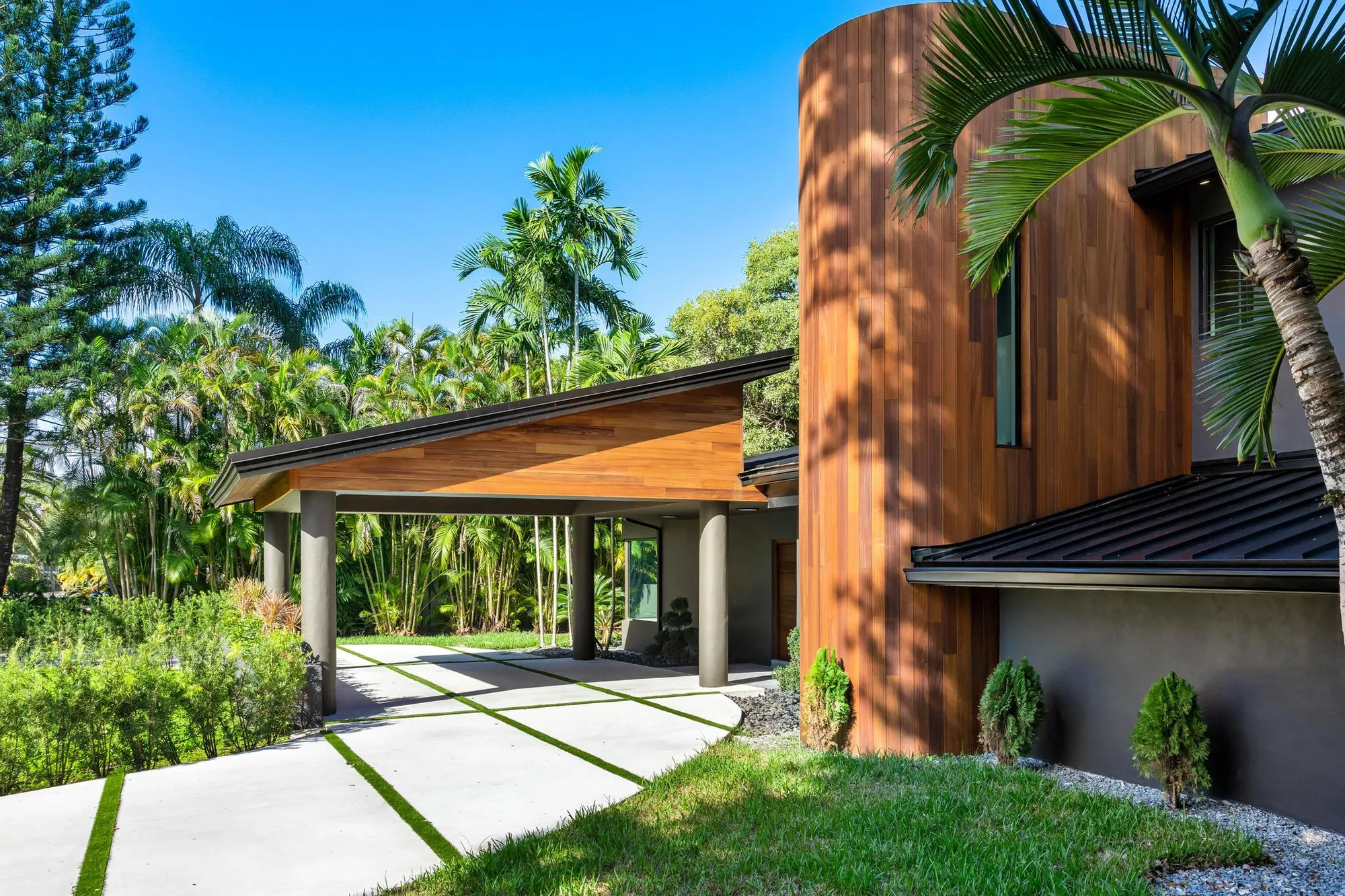
Natural building materials are sourced from renewable resources and processed with minimal environmental impact. Wood is among the most widely used natural materials, valued for its versatility, recyclability, and aesthetic warmth — qualities that make it ideal for both interior and exterior applications.
Thermally Modified Wood: Durable and Beautiful
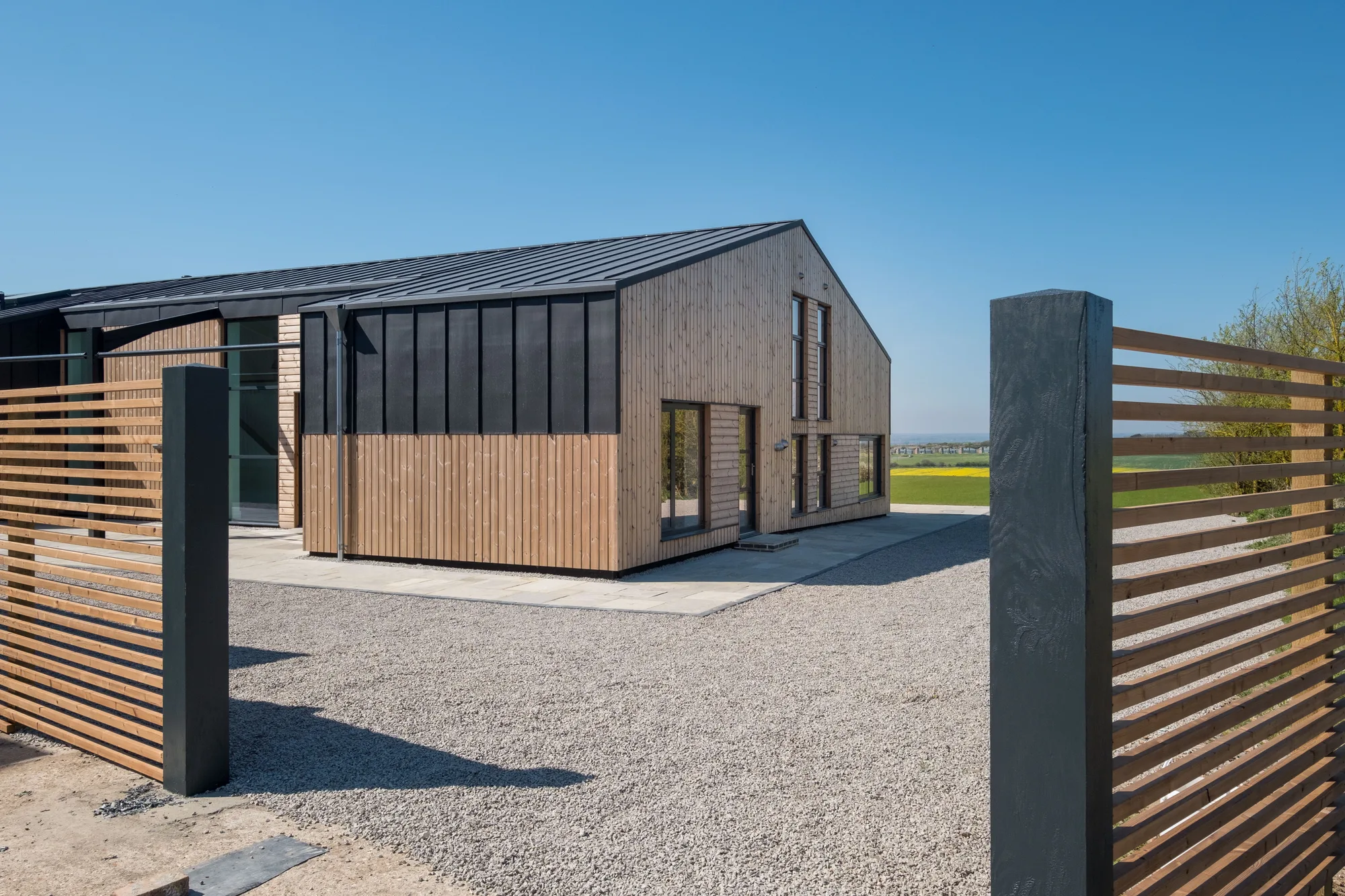
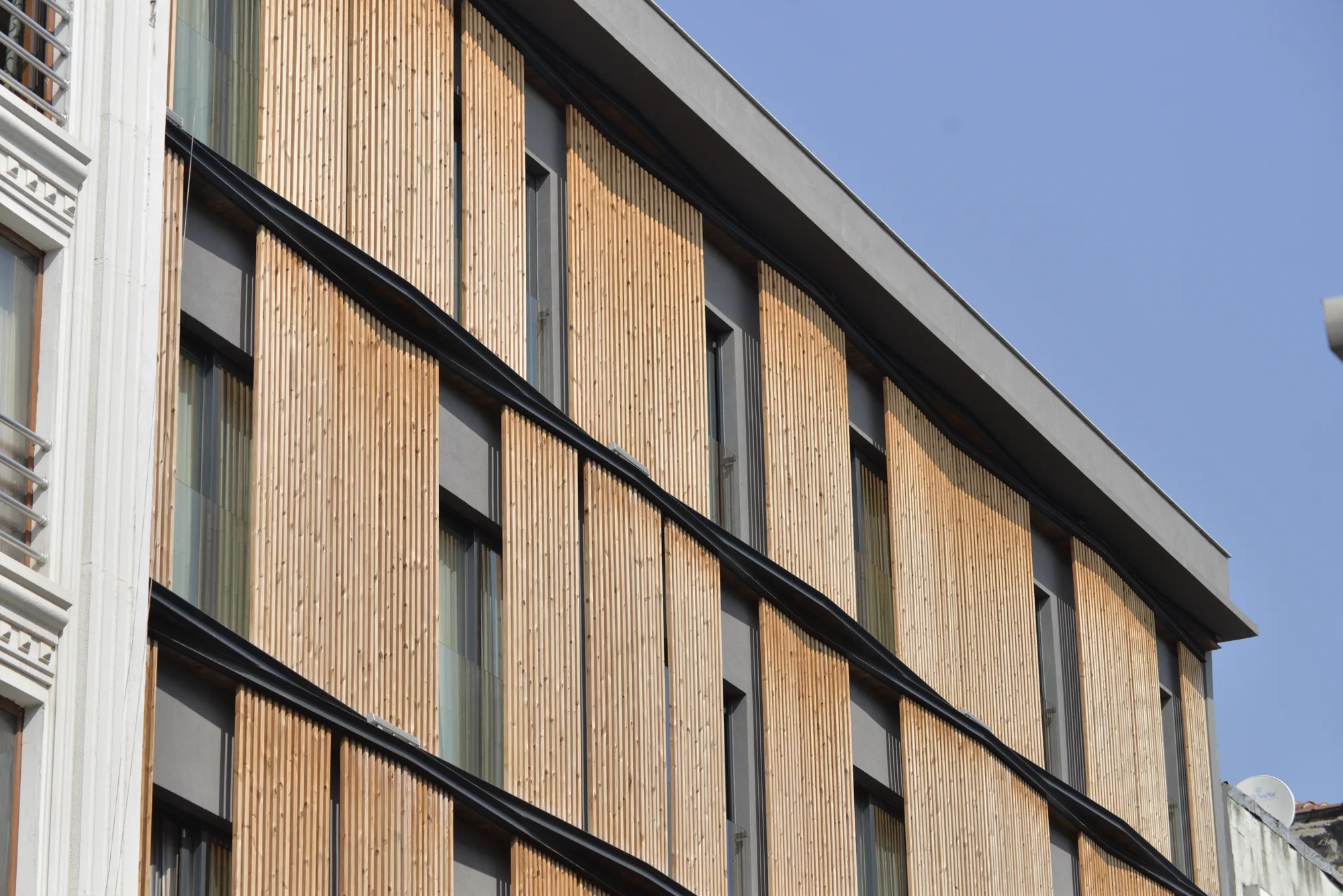
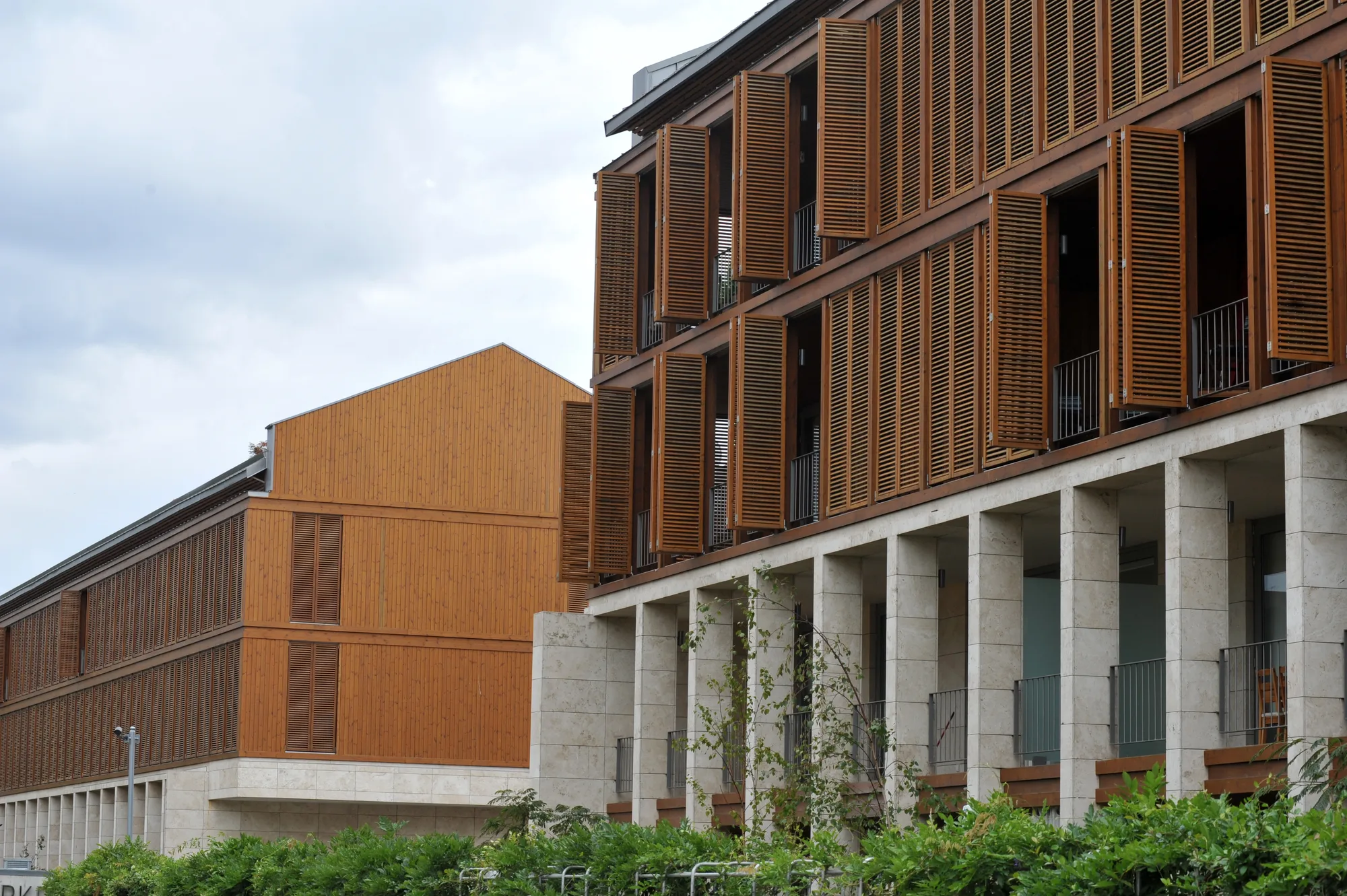
Thermally modified wood products — such as Novawood's Novathermowood series — are increasingly favored across a wide range of applications, including exterior cladding, decking, and sun-shading systems, thanks to their moisture resistance, dimensional stability, and durability. These natural wood products deliver an eco-friendly solution without the use of any chemical treatments.
Why Do Sustainable Architectural Trends Matter?
Today, the construction sector is responsible for approximately 40% of global carbon emissions. Sustainable architectural trends have therefore become not merely a design preference, but a vital necessity for the future of our planet.
 ### 1. Energy-Efficient Buildings
Next-generation buildings minimize energy consumption through elements such as solar energy integration, natural ventilation systems, and high-performance insulating facade materials. At the core of these structures, natural materials with superior insulating properties are typically found.
2. Passive Design Approaches
Passive design harnesses natural elements — sunlight, airflow, and shading — to enhance user comfort. When these strategies are combined with durable, natural materials, the result is buildings that require far less mechanical intervention.
3. Bio-Architecture and Green Roof Systems
Buildings developed through nature-inspired architectural thinking incorporate systems that work in harmony with the natural environment throughout their entire lifecycle. Green roofs in particular offer significant advantages in terms of rainwater harvesting and thermal insulation.
Architectural Materials and Applications to Watch in 2025
Thermally Modified Wood Facade Cladding
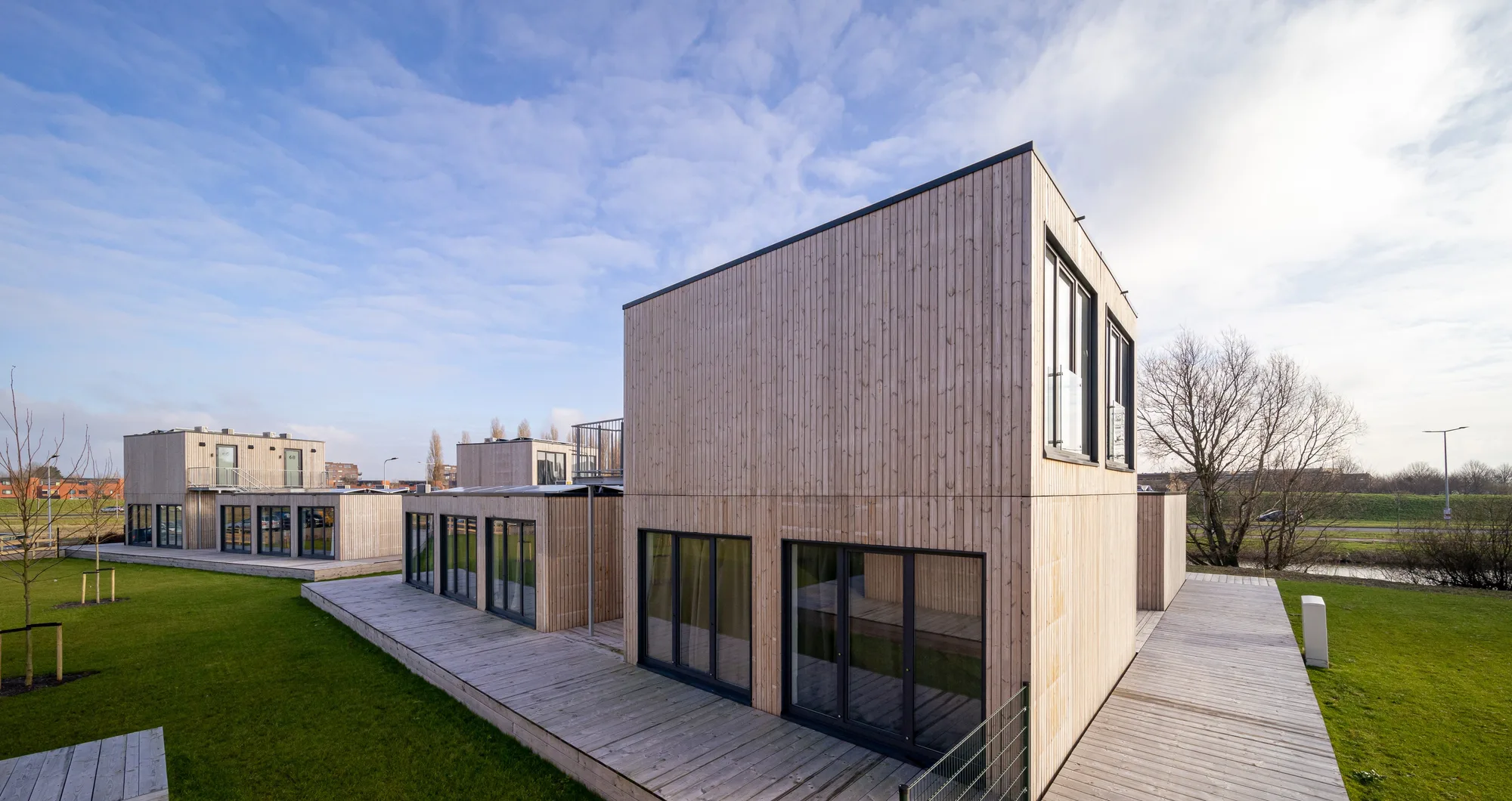
Free of chemical additives, thermally modified wood is increasingly chosen for exterior applications thanks to its resistance to weathering and its distinctive aesthetic texture. Its environmentally responsible production process results in a remarkably low carbon footprint.
Recyclable Building Components
Modern construction is placing ever-greater emphasis on natural, recyclable materials that minimize environmental impact. These options support sustainable building practices while delivering durability and aesthetic appeal.
Low-Carbon Production Processes
In 2025, production processes aimed at reducing energy consumption and carbon emissions will take center stage in the building materials industry. In this context, wood products manufactured without chemical additives and through natural drying rather than kiln-firing are drawing considerable attention.
The Rise of Naturalism in Outdoor Spaces
Natural wood decking, pergola systems, and sun-shading structures create living spaces that are deeply connected to nature while offering both functionality and aesthetic appeal. Outdoor wood applications in particular enrich the user experience, bringing warmth and a sense of the natural world to every space.
Novawood's Approach to Sustainability
Novawood stands out in natural wood production through its chemical-free thermal modification technology. By offering sustainable solutions across a broad spectrum — from exterior facade cladding and flooring systems to pergolas, sun-shading products, and window profiles — Novawood actively contributes to the creation of environmentally responsible buildings.
In 2025, the architectural world places great importance not only on how a building looks, but on how it is produced, how sustainable it is, and what impact it has on the environment. Projects designed with natural building materials form the foundation of long-lasting, healthy living spaces that exist in harmony with nature. This architectural philosophy — one that carries both aesthetic and ethical values — will continue to shape the future of the built environment.
Newsletter
Be the first to know.
New products, completed projects and technical insights — a few emails a month, no spam.